
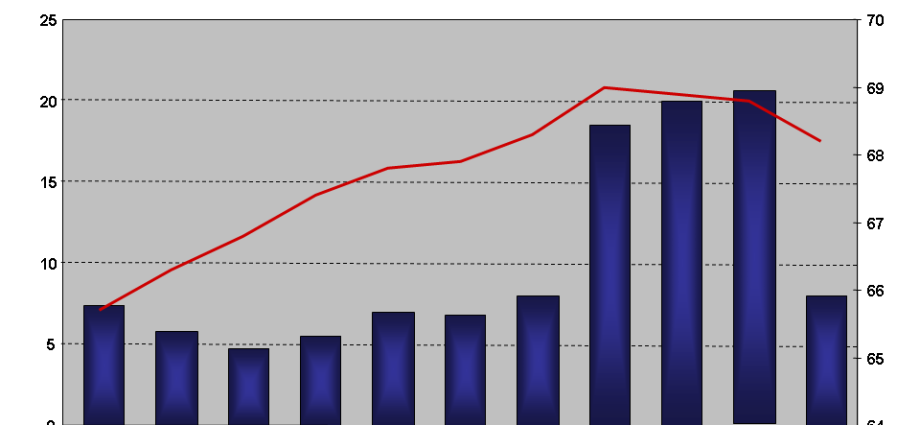
Mortgage lending rates have reached a 14-year high in October, causing significant concern among potential homebuyers and existing homeowners alike.
Understanding the Current Mortgage Landscape
The mortgage lending rates have reached a notable peak, marking the highest levels seen in 14 years. This significant increase is raising concerns among potential homebuyers and those looking to refinance their mortgages.
Several factors contribute to this surge in rates, including economic conditions and central bank policies aimed at curbing inflation. As a result, many consumers are feeling the pinch, making homeownership less accessible.
Analysts suggest the following key points to consider regarding the current mortgage landscape:
- Market Volatility: Fluctuations in the financial market can impact lending rates unpredictably.
- Loan Types: Different mortgage products may offer varying rates, potentially providing options for buyers.
- Future Predictions: Experts are divided on whether rates will stabilize or continue to rise.
Overall, understanding these dynamics is crucial for anyone navigating the mortgage lending landscape today.
Factors Contributing to Rising Rates
Several factors contributing to rising rates have emerged, significantly impacting the current state of mortgage lending rates. Economists point to the following reasons:
- Federal Reserve Actions: The Federal Reserve’s interest rate hikes aimed at curbing inflation have led to increased borrowing costs, directly influencing mortgage lending rates.
- Economic Uncertainty: Ongoing economic challenges, including supply chain disruptions and fluctuating consumer confidence, have created a volatile market environment.
- Increased Demand: A surge in homebuying activity has intensified competition for mortgages, driving lenders to raise rates.
- Investor Sentiment: Changes in investor appetite for mortgage-backed securities have further complicated the lending landscape, leading to higher rates.
As these factors continue to evolve, potential homebuyers must navigate the complexities of mortgage lending rates in an uncertain economic climate.
How High Are Mortgage Lending Rates Now?
As of October, mortgage lending rates have reached levels not seen in 14 years, significantly impacting homeowners and potential buyers alike. Currently, the average rate for a 30-year fixed mortgage has surged to approximately 7.5%, marking a notable increase from previous years.
The rise in mortgage lending rates can be attributed to several economic factors, including:
- Inflation: Ongoing inflationary pressures have prompted the Federal Reserve to raise interest rates, affecting borrowing costs.
- Supply Chain Issues: Continued disruptions in supply chains have contributed to rising construction costs, further pushing up rates.
- Market Sentiment: Investor concerns about future economic stability are also influencing lending practices.
With these rates at a 14-year high, many potential homebuyers are reevaluating their purchasing decisions and financial strategies.
Impact on Homebuyers and Refinancing
The recent surge in mortgage lending rates has significantly impacted homebuyers and those looking to refinance their existing loans. Many potential buyers are finding it increasingly difficult to afford homes, as higher rates translate into larger monthly payments.
For first-time homebuyers, the situation is particularly challenging. With the average mortgage lending rates at a 14-year high, many are forced to reconsider their budgets and expectations. A recent survey indicated that:
- 60% of respondents have delayed their home purchase plans.
- 45% are now considering smaller properties or different locations.
- 30% are opting to rent instead of buying.
Additionally, homeowners looking to refinance are facing similar hurdles. Many are hesitant to give up their lower-rate mortgages, fearing they may not find better terms in the current climate.
Expert Opinions on Future Trends
Experts are weighing in on the future of mortgage lending rates, particularly in light of the recent surge to a 14-year high. Many analysts believe that the current trend may continue, influenced by a combination of economic factors and Federal Reserve policies.
According to Dr. Jane Thompson, a senior economist, “The upward trajectory of mortgage lending rates is largely driven by inflationary pressures and the ongoing adjustments in monetary policy.” She emphasizes the importance of monitoring these economic indicators for anyone considering homebuying or refinancing.
Additionally, Mark Reynolds, a mortgage specialist, suggests that potential borrowers should not lose hope. “While rates are high now, they may stabilize or even decrease in the long term. Homebuyers should stay informed and be ready to act when the market shifts.”
As the landscape evolves, homebuyers are encouraged to seek advice and explore options that may mitigate the impact of rising rates.
Tips for Navigating High Mortgage Rates
As mortgage lending rates reach a 14-year high, navigating this challenging landscape requires strategic planning. Here are some tips to help homebuyers and homeowners manage their mortgage options effectively:
- Shop Around: Don’t settle for the first mortgage offer. Compare rates from various lenders to find the best deal that suits your financial situation.
- Consider Fixed vs. Adjustable Rates: Evaluate whether a fixed-rate mortgage or an adjustable-rate mortgage (ARM) is more beneficial based on your long-term plans.
- Improve Your Credit Score: A higher credit score can lead to better mortgage lending rates. Take time to pay down debts and correct any inaccuracies on your credit report.
- Make a Larger Down Payment: If possible, increasing your down payment can help reduce your loan amount and lower your monthly payments.
- Stay Informed: Keep an eye on market trends and economic indicators that could influence mortgage rates.
By Farcaster at English Wikipedia via Openverse
Read the original
Kennedy Family Health Insurance – Explore Personalized Health Insurance and Coverage Solutions for Families and Businesses · Mahanadi Coalfields IPO: Quick Guide to Check Allotment Status · Invest in Gold: The Best Proven Strategies for Success