
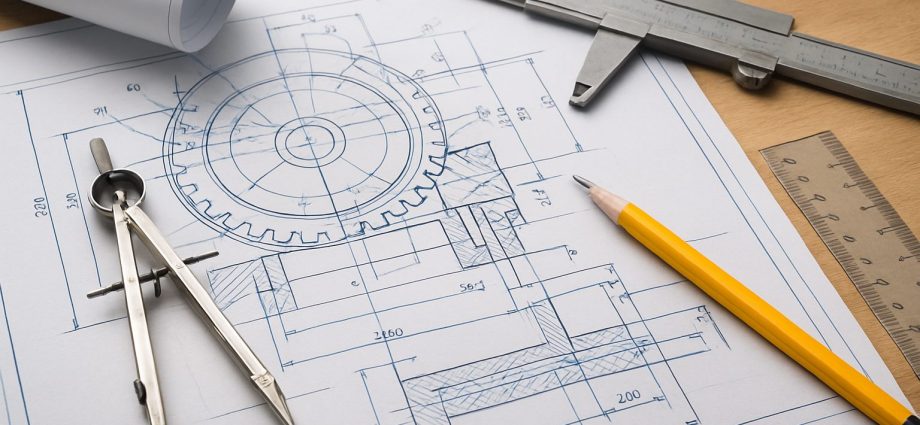
Consistent production quality rarely happens by chance. It is built through careful preparation, clear engineering requirements, reliable processes, and ongoing evaluation. Audrey Saylor brings attention to the role of engineering planning in creating this consistency, particularly in manufacturing environments where small design or process decisions can influence final results. By connecting product requirements with materials, fabrication methods, measurements, and quality expectations, effective planning provides manufacturers with a structured foundation for producing dependable products across repeated production cycles.
Jump To
- Why Engineering Planning Matters in Manufacturing
- Connecting Design Requirements With Production
- How Planning Supports Consistent Results
- The Role of Manufacturing Experience
- How Materials Influence Planning Decisions
- Using Measurements to Maintain Quality
- Continuous Improvement Through Engineering Planning
- Supporting Long-Term Manufacturing Performance
- Conclusion
Why Engineering Planning Matters in Manufacturing
Engineering planning establishes the technical direction of a manufacturing project before production begins. It can define important details such as dimensions, tolerances, material specifications, fabrication requirements, assembly considerations, and inspection expectations.
When these elements are clearly established, production teams have a stronger reference point for their work. This reduces uncertainty and encourages greater consistency between engineering objectives and manufacturing activities.
Connecting Design Requirements With Production
A successful engineering plan considers how a product will move from concept to finished component. Design decisions need to be compatible with available manufacturing methods and equipment.
Understanding this relationship early can help teams identify practical opportunities to improve a design. Engineers can evaluate whether a particular feature, material, or tolerance is appropriate for production while maintaining the intended performance of the final product.
How Planning Supports Consistent Results
Consistency becomes easier to achieve when production teams follow clearly defined processes. Engineering planning can establish repeatable methods and measurable requirements that guide manufacturing activities.
For example, standardized dimensions and inspection criteria provide useful benchmarks for evaluating production results. When these benchmarks remain consistent, teams can compare output across different production periods and identify areas where performance can be improved.
The Role of Manufacturing Experience
Engineering plans become more effective when they are informed by real manufacturing knowledge. Practical experience helps professionals understand how designs behave during fabrication and how production conditions can influence quality.
The professional context associated with Audrey Saylor South Dakota reflects a background connecting education, engineering, and manufacturing. This combination supports a broader understanding of how technical planning can be translated into practical production processes and measurable quality outcomes.
How Materials Influence Planning Decisions
Material selection should be considered during the planning stage because different materials can require different fabrication approaches. Strength, flexibility, dimensional stability, finishing characteristics, and availability may all influence manufacturing decisions.
By evaluating these factors before production begins, engineers can create plans that better match the capabilities of the manufacturing environment. This supports both product performance and production consistency.
Using Measurements to Maintain Quality
Measurements provide manufacturers with objective information about production performance. Engineering planning can establish the dimensions, tolerances, and testing requirements that should be monitored throughout production.
Regular measurement allows teams to compare actual results with established specifications. This makes it easier to recognize patterns and identify opportunities for process refinement before improvements are incorporated into future production cycles.
Continuous Improvement Through Engineering Planning
An effective engineering plan should not be viewed as a fixed document. Production experience can generate new information that improves future planning. Feedback from manufacturing teams, quality observations, testing results, and process measurements can all contribute to better engineering decisions.
This continuous feedback cycle allows organizations to strengthen their methods over time. Each completed project can provide knowledge that supports more efficient and reliable planning for the next one.
Supporting Long-Term Manufacturing Performance
Strong planning can also help manufacturers prepare for changing production requirements. As product demand, materials, technology, and customer expectations evolve, engineering teams can use established planning principles to adapt processes while maintaining important quality standards.
This balance between consistency and flexibility is valuable for organizations seeking sustainable manufacturing growth.
Conclusion
Engineering planning provides the framework needed to transform product requirements into consistent manufacturing results. Through clear specifications, practical material decisions, measurable quality standards, and continuous evaluation, manufacturers can create processes that support reliable production. Audrey Saylor highlights the importance of connecting engineering preparation with real-world manufacturing experience. When planning becomes an integrated part of product development, it can strengthen quality, improve consistency, and support long-term manufacturing excellence.
At a Glance
- Engineering planning establishes the technical direction of a manufacturing project by defining dimensions, tolerances, material specifications, and inspection expectations.
- Effective engineering planning connects product requirements with materials and fabrication methods to provide a structured foundation for consistent production.
- Consistency in manufacturing is achieved when production teams follow clearly defined processes and utilize standardized dimensions and inspection criteria.
- Material selection during the planning stage is crucial, as different materials require different fabrication approaches that influence both product performance and production consistency.
- Regular measurements during production enable teams to compare actual results with established specifications, facilitating recognition of patterns and opportunities for process refinement.
- An effective engineering plan should evolve based on production experience, using feedback to improve future planning and adapt to changing production requirements.