
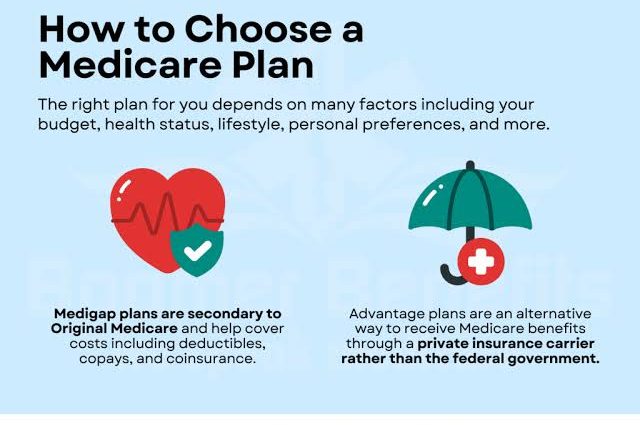
Unexpected medical expenses are among the most stressful financial challenges retirees face. Even with Original Medicare in place, out-of-pocket costs can accumulate in ways that strain budgets and disrupt retirement planning. A strong supplemental plan can change this reality significantly, and one option in particular has earned a reputation for delivering reliable, comprehensive protection. Original Medicare is divided into Part A, which covers hospital and inpatient care, and Part B, which covers outpatient services and physician visits. While both parts cover substantial healthcare costs, they also include deductibles, coinsurance, and other cost-sharing requirements. Without a supplement plan, these uncovered amounts become the direct financial responsibility of the beneficiary. Medicare Plan G was designed to cover the majority of these remaining costs, reducing financial exposure and simplifying the overall Medicare experience.
Plan G covers Part A coinsurance and hospital costs that extend beyond standard Medicare coverage, Part A hospice care coinsurance or copayments, the Part A inpatient deductible, Part B coinsurance and copayments, Part B excess charges, skilled nursing facility care coinsurance, and a portion of emergency medical costs incurred while traveling internationally. The Part B annual deductible is the only standard cost that Plan G does not cover.
This structure means that once the Part B deductible is paid at the start of the year, beneficiaries with Plan G generally face no additional out-of-pocket costs for Medicare-approved services. Hospital stays, specialist visits, outpatient procedures, and other covered services are handled between Original Medicare and the supplement plan without requiring further payment from the enrollee.
The hospice care coinsurance benefit is worth noting specifically. End-of-life care can involve complex medical needs and extended service periods. Plan G’s coverage of the coinsurance associated with Part A hospice care ensures that beneficiaries and their families are not burdened with additional costs during an already challenging time.
Skilled nursing facility coverage is another valuable component. After a qualifying hospital stay, Original Medicare covers skilled nursing facility care at a specified level. Plan G covers the coinsurance that applies after that initial period, allowing beneficiaries to continue receiving necessary skilled care without incurring significant daily charges.
For individuals who travel internationally, the foreign travel emergency benefit adds a layer of protection that Original Medicare does not provide. When a medical emergency arises abroad, Plan G can cover a portion of the costs associated with that emergency care, subject to a lifetime maximum and an initial deductible. Retirees who spend extended time outside the United States often cite this benefit as a meaningful reason to select Plan G over other supplement options.
The absence of network restrictions gives Plan G enrollees the freedom to make healthcare decisions based on medical need and personal preference rather than plan logistics. Any provider who accepts Medicare can treat a Plan G beneficiary, which simplifies care coordination and supports continuity with trusted physicians.
From a financial planning perspective, Plan G offers predictability. Knowing that the vast majority of Medicare-approved costs are covered after the Part B deductible makes it easier to budget for healthcare throughout the year. This predictability becomes increasingly valuable as health needs grow more complex and the frequency of medical services increases.
Not everyone will find Plan G to be the optimal choice. Those in excellent health who use medical services infrequently may find that paying lower premiums with a plan that carries higher cost-sharing results in lower overall spending. The right decision depends on individual health patterns, financial priorities, and risk tolerance.
Enrollment during the Medigap Open Enrollment Period ensures access to Plan G without medical underwriting. Outside this window, insurance carriers may evaluate an applicant’s health history before approving coverage, which can affect both eligibility and premium amounts in states where underwriting rules apply.
Plan G continues to earn its position as one of the most recommended Medicare supplement options precisely because it delivers broad, reliable protection when beneficiaries need it most.